
SEO for a new website requires a strong SEO foundation, quality content, clear on-page, solid structure, and a smooth user experience to rank on Google and AI platforms. However, young business owners and entrepreneurs usually lack the technical wisdom that new websites require to rank for competitive keywords. That’s why Upreports is here with a new website SEO checklist!
Simply follow this checklist to tune your new site SEO, and you will get the results within months!
New website SEO checklist
If you want to nail SEO for a new website, here are 10 on-page tasks that matter the most:
1. Choose the right keywords
Keyword research should begin before you start writing website content. It helps you understand what your potential customers are searching for and how they describe the products or services they need.
For a new website SEO, targeting highly competitive keywords immediately may not be the best approach. Instead, focus on relevant keywords with clear search intent and realistic competition.
Consider these steps:
- Identify your primary and secondary keywords for core and ranking critical pages.
- Understand what users expect when searching for those terms.
- Research long-tail keywords related to your products or services.
- Study the keywords competitors are ranking for.
- Assign relevant keywords to individual website pages.
For example, a cake shop in Detroit can consider targeting ‘cakes in Detroit’, ‘cake shop in Detroit’, and ‘wedding cake in Detroit’.

2. Ensure SEO-Friendly Website Structure
Website structure plays an important role in how search engines discover and understand your content. A confusing navigation system can make it difficult for visitors and search engine crawlers to find important pages.
A well-organized website should have a logical hierarchy.
Let’s continue with our cake shop example:
- Homepage
- Menu
- Catering
- Cakes
- Shop
- Blog
- Contact Us
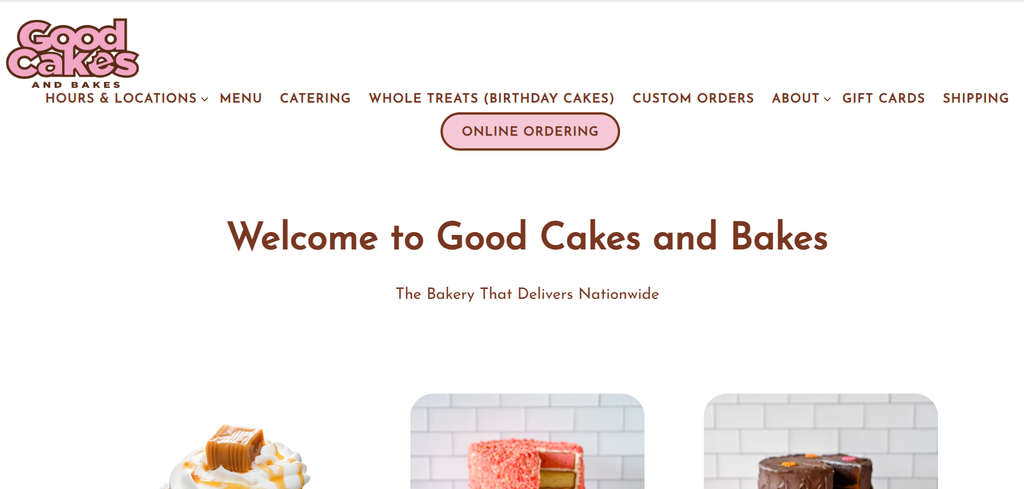
Here are some tips to get this right while doing seo of your new website:
- Make sure important pages are accessible within a few clicks from the homepage.
- Use descriptive navigation labels, organize related content into relevant categories, and create internal links between connected pages.
- A good website structure also helps search engines understand the relationship between different pages.
For more guidance, read our blog on Website Structure for SEO.
Watch this video to learn how to create an SEO-friendly website structure.
3. Write Helpful Website Content
Content is one of the most important parts of a successful SEO strategy for new websites. Your website should clearly explain what your business offers, who it serves, and how it helps customers.
Avoid copying content from competitors, making it 100% AI, or using generic descriptions across multiple pages. Every important page should provide original information that addresses the needs of your target audience.
Follow these content practices:
- Write clear and informative page descriptions.
- Include relevant keywords naturally.
- Use descriptive H1, H2, and H3 headings.
- Answer common customer questions.
- Explain your products and services with useful details.
- Add examples, case studies, and original insights where relevant.
Remember, content should be written for people first. Adding keywords repeatedly without providing useful information will not create a good user experience.
4. Mind your Meta details:
Meta titles and descriptions help search engines and users understand what a webpage is about. They have less now than they were a decade ago but they can still make a difference.
A well-written Meta on every page will make them relevant to diverse search queries, while engaging keyword-rich descriptions impact your positions.
Here are some things to consider:
Meta Title: Keep it descriptive, relevant, and focused on the primary keyword.
Meta Description: Write a short summary that explains what visitors will find on the page.
Avoid keyword stuffing in titles and descriptions. Every page should have unique metadata that matches its content.
You can also explore our detailed guide on What Does On-Page SEO Include.
5. Make your new site mobile-friendly:
A large number of people browse websites using smartphones. If your website does not work properly on smaller screens, you may lose potential customers even if your content is useful.
Google prioritizes the mobile version of a website for indexing and ranking, making mobile optimization an important part of new website SEO.
Discuss these recommendations with your new website developer:
- Make sure your website adjusts to different screen sizes.
- Use readable font sizes.
- Keep buttons and navigation elements easy to tap.
- Avoid horizontal scrolling.
- Optimize images for mobile screens. Go for WebP file format
- Make forms simple to complete.
- Adjust content for mobile experience if your site is heavy on desktop.
High priority: Test your website on different mobile devices and screen sizes before launching it.
6. Improve Load Speed & Performance:
Most people will wait 3 seconds or less before abandoning a web page. This means website speed affects how visitors interact with your website. If pages take too long to load, users may leave before exploring your content.
A slow website can also create problems with Google’s page experience signals.
To improve website performance:
- Compress images without reducing their quality.
- Use modern image formats such as WebP.
- Minimize unnecessary CSS and JavaScript.
- Enable browser caching where appropriate.
- Choose reliable website hosting.
- Reduce unnecessary plugins and scripts.
- Use a Content Delivery Network (CDN) when suitable.
Google PageSpeed Insights helps identify performance issues and suggest improvements. Pay attention to Core Web Vitals too, particularly:
- Largest Contentful Paint (LCP): Measures loading performance.
- Interaction to Next Paint (INP): Measures responsiveness.
- Cumulative Layout Shift (CLS): Measures visual stability.
7. Set Up Google Search Console and Analytics:
Launching a website without tracking its performance makes it difficult to understand whether your SEO efforts are working.
Google Search Console and Google Analytics are free tools for monitoring website performance.
Google Search Console helps you:
- Check whether your website pages are indexed.
- Identify indexing and crawling issues.
- Monitor search queries and impressions.
- Track clicks and average search positions.
- Review sitemap submission and page indexing reports.
Google Analytics 4 helps you:
- Understand where website visitors come from.
- Track user engagement.
- Identify popular landing pages.
- Monitor conversions and important user actions.
- Compare traffic across different marketing channels.
Set up both tools early so you can establish a performance baseline and identify opportunities for improvement.
8. Build High-Quality Backlinks:
Backlinks are links from other websites that point to your website. They can help search engines discover your content and understand its authority and relevance.
However, not all backlinks offer the same value. Links from relevant, trustworthy websites are generally more useful than links from unrelated or spammy sources.
For a new website, consider these link-building activities:
- Publish informative guest posts on relevant websites.
- Create original research and useful resources.
- Collaborate with industry publications.
- List your business in relevant and trustworthy directories.
- Build relationships with businesses in your industry.
- Create content that other websites naturally want to reference.
Avoid buying large numbers of low-quality links or participating in link schemes. Focus on building genuine relationships and earning relevant mentions.
Recommended: Want to master backlinks? Read our guide on How to Build Backlinks
Want to improve your website’s SEO performance? Watch this video guide on easy way to build backlink to learn more.
9. Optimize Your Website for AI
Search is no longer limited to traditional search engine results. AI-powered platforms and search experiences are changing how people discover businesses and find answers.
This makes Generative Engine Optimization (GEO) and Answer Engine Optimization (AEO) important considerations for modern website strategies.
Although there is no guaranteed method to appear in AI-generated answers, businesses can improve their chances of being understood and referenced by making their content useful, clear, and trustworthy.
Here are some practical steps:
Write Direct Answers: Address common questions clearly. Add short explanations before expanding into detailed information.
Use Descriptive Headings: Organize information with meaningful H2 and H3 headings so readers and search systems can understand the content.
Add Relevant FAQs: Include genuine questions customers frequently ask about your business, products, and services.
Publish Original Information: Share practical insights, research, statistics, and examples instead of repeating information already available everywhere.
Build Topical Authority: Create related articles around your main subject and connect them through relevant internal links.
Maintain Consistent Business Information: Keep your business name, services, contact details, and other important information accurate across your website and trusted online profiles.
To understand the changing search landscape, explore our blog on GEO vs SEO vs AEO.
10. Create and Submit XML Sitemap :
An XML sitemap helps search engines discover important pages on your website. It provides information about the URLs you want search engines to find and crawl.
For a new website SEO, submitting a sitemap is an important step. Follow these to improve SEO results:
- Generate an XML sitemap for your website.
- Check that it contains the correct and preferred URLs.
- Remove unnecessary or non-indexable pages from the sitemap.
- Open Google Search Console.
- Navigate to the Sitemaps section.
- Submit your sitemap URL.
- Monitor indexing reports and resolve any issues.
Also, check your robots.txt file to ensure important website resources are not accidentally blocked.
11. Build a strong linking structure :
A strong linking structure improves website navigation, helps search engines discover important pages, and connects related content for a better user experience.
- Internal Linking: Connect related blog posts, service pages and product pages using relevant anchor text. This helps search engines understand your website structure and discover important pages.
- External Linking: Add links to relevant and authoritative sources to support information and provide readers with additional resources.
- Use Relevant Anchor Text: Make clickable text descriptive and relevant to the linked page.
- Fix Broken Links: Regularly check links to ensure users and search engines can access the linked pages.
12. Create SEO-Friendly and Descriptive URLs
Your URL structure plays an important role in website organisation and user experience. Clean URLs make it easier for search engines and visitors to understand what a page is about.
- Keep URLs short, simple and descriptive.
- Include your primary keyword naturally.
- Use hyphens (-) to separate words.
- Avoid unnecessary numbers, special characters and random parameters.
- Maintain a consistent URL structure across your website.
- Use 301 redirects when changing existing URLs to avoid broken links.
13.Connect Social Media & Review Platforms
Your website should not work in isolation. Connecting it with relevant online platforms helps build brand visibility, trust and credibility.
- Social Media: Add links to your Instagram, Facebook, LinkedIn and other relevant social profiles. Share website content regularly to attract visitors.
- Google Business Profile (GBP): Create and optimise your profile with accurate business details, website links, services, photos and updated information.
- Review Platforms: Maintain profiles on relevant platforms such as Trustpilot, G2 or industry-specific review websites.
- Customer Reviews: Encourage genuine customer feedback and respond professionally to both positive and negative reviews.
14. Add FAQs to Key Pages:
Frequently Asked Questions (FAQs) help answer users’ common queries and make your website content more useful. They also help search engines and AI-powered search systems understand the information your business provides.
- Identify common questions customers ask about your products, services and business.
- Add relevant FAQs to individual product and service pages.
- Use clear, conversational questions that reflect how people search online.
- Provide short, accurate and helpful answers.
- Include questions about pricing, features, benefits, processes and customer concerns.
- Use FAQPage structured data only where applicable and follow Google’s current guidelines.
15.Create schema markup:
AI crawlers and Google bots love schema markup since it helps them understand/collect specific information quickly. Use this schema markup generator tool to create schema markup that will help you mark specific information on your website. This makes it easy to access for Google and AI crawlers.
However, adding schema markup does not guarantee AI citations or rich results.
Boost new site SEO and marketing
Building a website is only the beginning. To improve search rankings, attract relevant visitors, and develop a strong online presence, businesses need a tailored digital marketing strategy.
At Upreports, we help businesses discover most promising digital marketing solutions for their virtual growth. Here are the most popular ones:
- SEO Services: Improve website visibility through keyword research, on-page optimization, technical SEO, and local and global search strategies.
- Online Marketing Services: Build a stronger online presence through content marketing, branding, paid campaigns, and other digital marketing activities.
- Social Media Marketing Services: Connect with your target audience through social media content, engagement, and campaign management.
- Online Marketing and Growth Services: Explore marketing, reputation management, research, and business growth solutions.
The right combination of these services depends on your business goals, target audience, competition, and available budget. If you can’t decide, drop an email on hello@upreports.com for personalized guidance.
SEO for new website checklist ends
A new website needs more than an attractive design to perform well online. It requires a strong SEO foundation, useful content, technical optimization, relevant backlinks, and a positive user experience.
At the same time, businesses should prepare for changing search experiences by creating clear, trustworthy, and well-structured content that can serve both traditional search engines and AI-powered platforms.
Use this New website SEO checklist to cover the essential steps, monitor your performance regularly, and improve your strategy as your website grows.
Remember, SEO is a continuous process. Consistent improvements, useful content, and a user-focused approach can help your website build visibility and attract the right audience.
Get in touch with Upreports to discuss your marketing goals or start learning it on your own by reading this free online marketing ebook.
Keep growing!
